
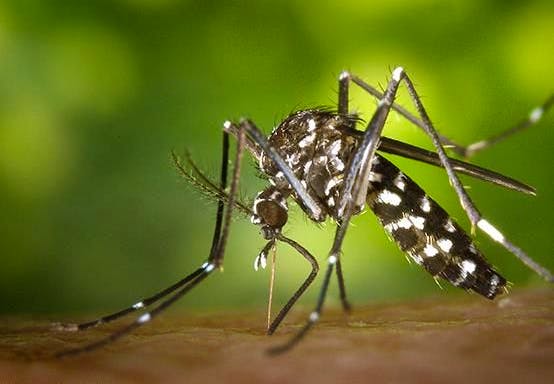
The heatwave not only hurts humans: it also disrupts the life cycle of mosquitoes. With the heat, the puddles, ponds and other water points where these insects lay their eggs dry up quickly, slowing down the development of the larvae. Even the tiger mosquito, although reputed to be more resistant to drought, sees its development slowed down when the nesting places disappear.
According to entomologist Mathieu de Flores, interviewed by BFMTV, adult mosquitoes also adopt a survival strategy. Lacking a thermal regulation system, they limit their movements and seek refuge in vegetation to avoid dehydration. “Mosquitoes will seek to hide in vegetation, avoid becoming dehydrated and dying. They are therefore less active,” explains the specialist.
This ability to adapt is not new. A study from the University of Zurich published in 2023 showed that these insects were particularly good at locating cooler microclimates in which to take shelter.
“It’s just a respite.”
Other factors may also explain their current discretion. During heatwaves, windows often remain closed during the day, which limits their entry into homes. Fans also make their job more difficult by preventing them from landing on their victims’ skin.
“It’s just a respite,” warns Mathieu de Flores. Mosquitoes continue to lay eggs and should quickly reappear as soon as temperatures drop and humidity returns.
