
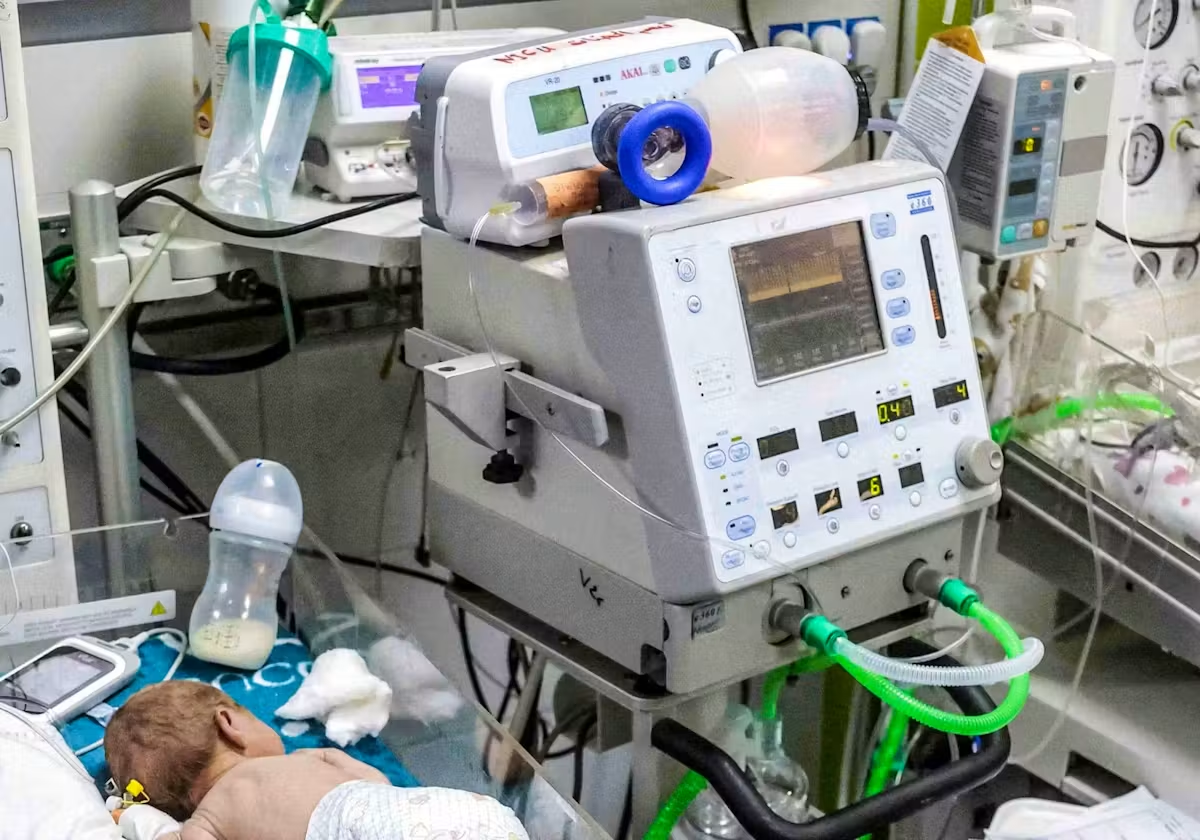
Despite the opposition of her parents and some signs of improvement, the Paris administrative court validated the end of the treatments which are keeping Tasneem, a four-month-old girl hospitalized at Necker Hospital, alive. The court ruled in favor of the doctors. The Paris administrative court authorized the cessation of active therapies provided to the baby, details “Le Parisien”.
Born prematurely, the little girl suffered serious complications. An omphalocele had been diagnosed before his birth, then digestive and respiratory problems appeared, requiring parenteral nutrition, intubation and ventilation. Severe neurological damage was also noted. After a sharp deterioration in his condition at the beginning of July, the Necker doctors estimated that continuing the treatments would amount to “unreasonable obstinacy”.
His parents dispute this analysis. They emphasize that Tasneem is not in a vegetative state: she presents a state of consciousness, moves her four limbs and could, according to them, one day be able to breathe without assistance. They also highlight the uncertainties regarding his future disability and the recovery capacities of an infant’s brain.
No therapeutic hope, according to experts
An independent assessment carried out by three specialists, however, reinforced the position of the Necker Hospital. Doctors recognize certain improvements, but note “serious irreversible brain damage” and see “no prospect of favorable development” in the short term. Tasneem remains dependent on respiratory assistance, parenteral nutrition and very heavy pain medication. Experts also report a high level of physical suffering.
However, the judges recognize the progress made: his head circumference is increasing again, his oxygen needs have decreased and his omphalocele has healed. But these occasional improvements do not, according to them, change the general prognosis.
The court thus considers that the child has no “therapeutic outcome” and is destined to have multiple disabilities. He also insists on “sixtuple sedative and analgesic therapy”, administered in doses unusual for an infant. In these conditions, the continuation of treatment would be disproportionate and constitute “unreasonable obstinacy”.
The parents, however, refuse to give up. Tasneem’s father assures that he will “fight until the end”. An appeal before the Council of State is in preparation.
