
Nearly 30 years after giving it up, the IOC on Thursday reinstated genetic testing of femininity as of the 2028 Olympic Games in Los Angeles, banning transgender athletes and a large number of intersex athletes from women’s sport.
“Eligibility for any women’s event at the Olympic Games is now reserved for people of biological female sex”, who do not carry the SRY gene, explained the Olympic body in a press release, after a meeting of its executive commission.
By turning its back on the rules enacted in 2021, which left each international federation to set its policy, the IOC targets both transgender athletes and a large proportion of intersex athletes, who naturally carry genetic variations while being considered girls from birth.
Excluded from this regulation are those who can demonstrate their “total insensitivity to androgens”, that is to say the inability of their body to use testosterone, proof which requires costly and complex investigations.
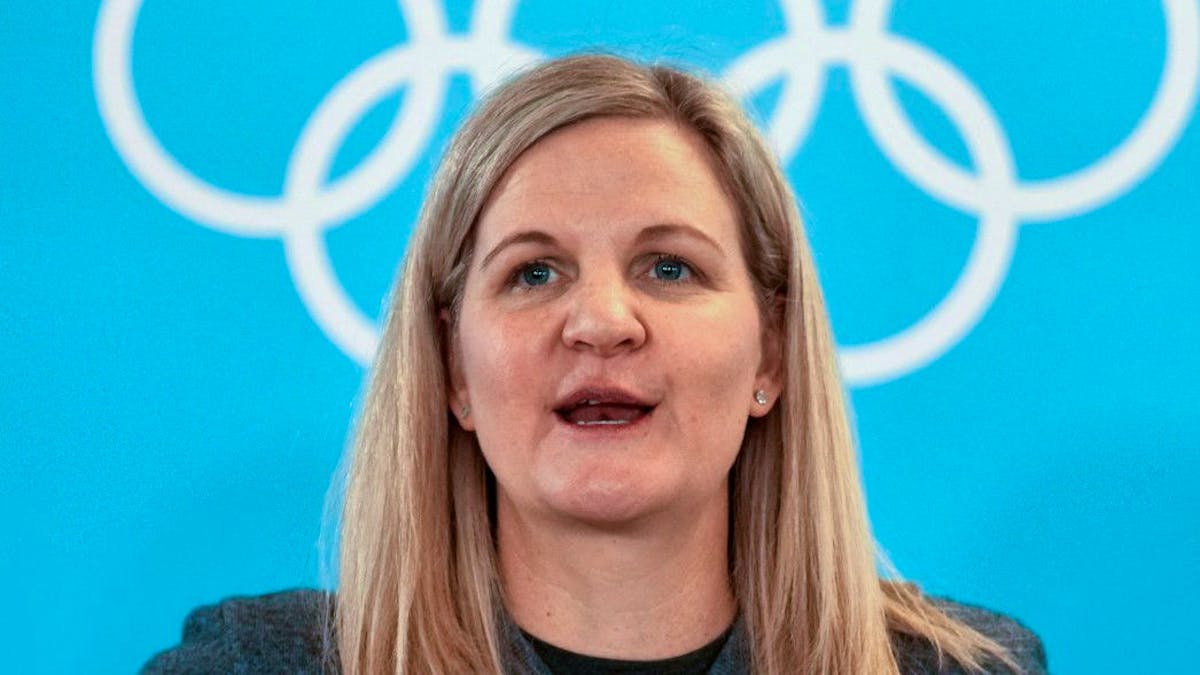
This new policy, the first major measure by Zimbabwean Kirsty Coventry since her election a year ago at the head of the Olympic body, will apply from the 2028 Olympics and “is not retroactive”.
It therefore does not call into question the gold medal obtained at the Paris Olympics by the Algerian boxer Imane Khélif, who herself indicated that she carried the SRY gene although born a girl and constantly presented as such by the IOC when she was attacked on her femininity.
The IOC joins the Trump line
In detail, it will be up to the international federations and national sports authorities to organize these chromosomal tests, which must be taken “only once in the athlete’s life”, indicated the IOC.
These policies have already been in force since last year in three disciplines, athletics, boxing and skiing, although their application raises practical and legal difficulties: in France for example, bioethics laws do not allow genetic testing without medical necessity.
The IOC had already used chromosomal tests of femininity between 1968 and the 1996 Olympic Games in Atlanta, before abandoning them in 1999 under pressure from the scientific community which contested their relevance, and from its own Athletes’ Commission.
While Kirsty Coventry has still not met Donald Trump, host of the 2028 Olympics in Los Angeles, this policy raises the main subject of potential conflict with the American president: at the start of his second term, he had banned transgender athletes from women’s sport by decree, contrary to the rules of the IOC at the time.
But if Washington should applaud this turnaround, warnings have multiplied in recent months regarding the return of genetic testing in sport, coming from scientists, United Nations rapporteurs, lawyers and human rights organizations.
“Harmful anachronism”
At the beginning of March, an editorial in the “British Journal of Sports Medicine” criticized a “harmful anachronism”, emphasizing that there is still no “scientific data of acceptable quality concerning a possible advantage in sports performance” in intersex people carrying an SRY gene.
Concerned about the “opacity” of the work carried out by the IOC, eight experts from the United Nations had for their part estimated that “scientific uncertainty” called for rules “based on solid evidence and specific to each sport”, while the body has not published anything of the sort.
From a legal point of view, 22 jurists from around the world on Wednesday called on athletes and national authorities to refuse genetic tests, which according to them violate a cascade of national and international laws on non-discrimination, bioethics or the protection of private life.
The first woman and first African elected in March 2025 to the presidency of the IOC, Kirsty Coventry had raised great hopes for renewal, and simultaneously launched several projects on the future of the Games and their economic model.
Concerning women’s sport, the only topic discussed for a year has been the rules of eligibility, a focus “which diverts attention from real problems such as unequal financing, access to sports practice, pay gaps and violence”, deplored last week Andrea Florence, from the organization Sport and Rights Alliance.
