
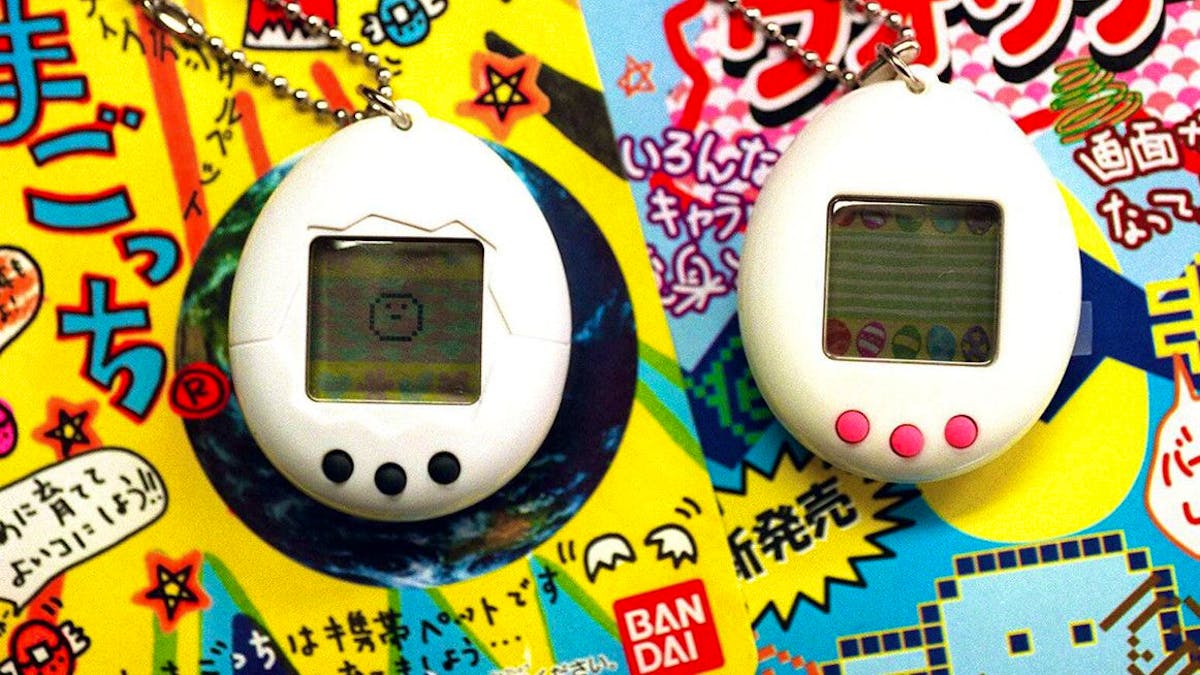
An electronic toy from Japan, the “Tamagotchis” were all the rage in playgrounds in the 1990s: as they celebrate their 30th anniversary, these virtual animals still appeal to retro-loving young people and nostalgic parents.
More than 100 million of these pocket-sized plastic eggs with a screen – virtual pets that must be fed and pampered or else risk seeing them waste away – have been sold around the world since their debut, according to their producer, Bandai Namco.
During a special exhibition opening Wednesday in Tokyo, the Japanese group presents the evolution of the Tamagotchi, from jumping and pixelated characters in black and white to color screens offering wifi connectivity, while also being available in derivative products.
Hanging on key rings, Tamagotchis, whose name is a portmanteau of the Japanese terms “egg” and “watch”, have been popular in recent years as a fashion accessory among young people, assures Bandai, which markets them in some 50 countries.
Sales multiplied by seven
If sales had run out of steam just a few years after their appearance, they are now experiencing a second wind.
Sales of Tamagotchi products, excluding video games, have increased approximately seven-fold in the space of five years since 2019, specifies the company, whose 37th range of the toy was released last summer.
And in 2025, the prestigious British toy seller Hamleys ranked the Tamagotchi in its list of the 100 best toys of all time, alongside Lego and the Rubik’s Cube.
The toy is in any case demanding: these digital animals, which must be fed, cared for or cleaned when they have defecated on the virtual ground, grow as their users take care of them – but can die if they are neglected.
Yumeho Akita, 25, a Japanese woman encountered in the Harajuku shopping district, tells AFP that she has fond memories of the Tamagotchi that she raised for several months during her childhood.
“I really wanted one, and I ended up getting one, so I pampered him, took great care to make the character grow,” she recalls fondly.
And some parents say they want their children to have the same experience: Justin Piasecki, an American screenwriter on vacation in Japan, says he recently bought Tamagotchis for Christmas for his two daughters, aged four and six.
“At this stage, they almost have a computer science diploma in Tamagotchi,” the forty-year-old assures AFP with a smile. “I thought I had to show them how to do it, but now they’re the ones teaching me.”
Cult toy
“It’s really nostalgic and cute. A bit of this +cute+ aesthetic of the 2000s,” smiles Rafaela Miranda Freire, a 15-year-old Brazilian tourist visiting the Japanese capital with her mother.
While she doesn’t yet own a Tamagotchi and recognizes that some teenagers “just don’t like it or find it childish,” she herself says she loves the concept: “It’s good. We put down our smartphone and appreciate the little things in life,” she told AFP.
Entering the Tokyo exhibition through a gigantic white egg, visitors can discover various devices suitable for taking souvenir photos, and a historical retrospective room where they can try out some of the dozens of different models released over the years.
Nearly half of Tamagotchis sales were made in Japan, 33% in the Americas, but only 2% in other Asia-Pacific countries, according to Bandai Namco.
The first Tamagotchis aroused great enthusiasm in Japan, between endless queues and daily stock shortages, a fever which then seized other countries.
At a time when consumer electronics were still rare, this toy, considered revolutionary, stood out for its addictive nature, to the point of sometimes being banned from classrooms.
