
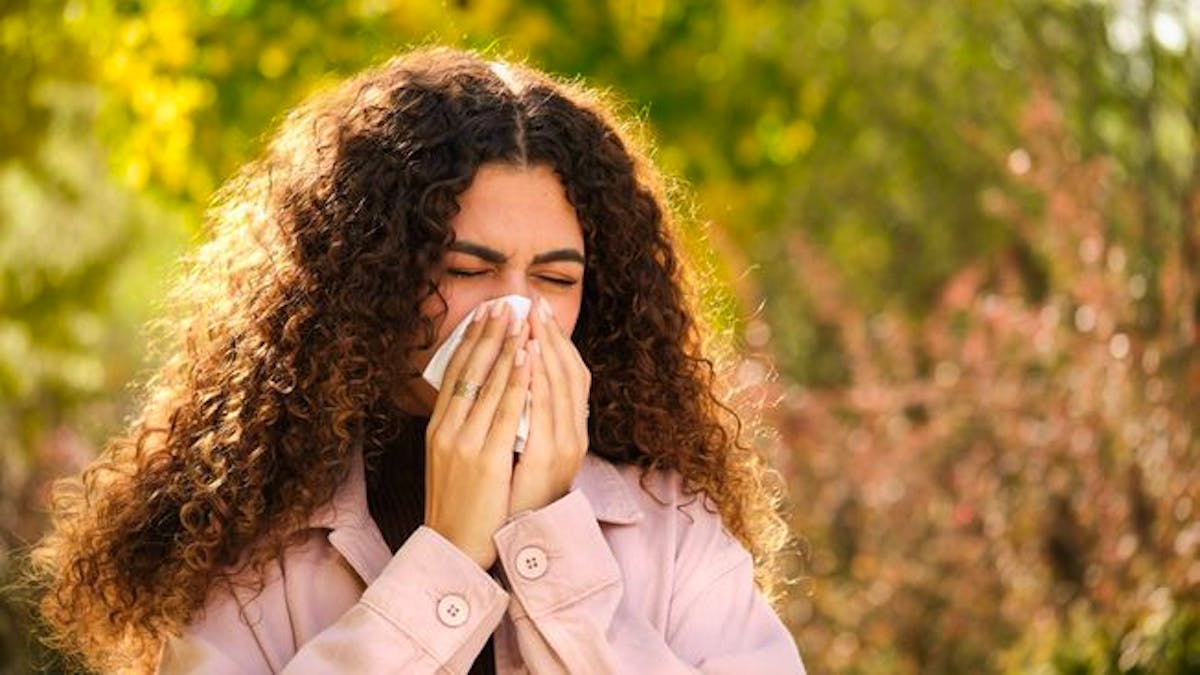
The beautiful season is here… and the grasses are flowering, marking the start of the most intense period of the pollen season.
On the plateau, grass pollen concentrations increase, particularly on warm, sunny days. The first concentrations were already measured in mid-April, while the birch flowering was still underway, indicates the Swiss Allergy Center in a press release.
“Grass pollens appeared this year on average 20 days earlier than the multi-year average,” explains Dr Benoît Crouzy, head of SwissPollen at MétéoSuisse. This is explained by the mild temperatures since the beginning of February.
With rising temperatures, a rapid increase in grass pollen is expected, which is also one of the main allergens. Birch, oak, beech and plane tree pollens also remain present.
The evolution of concentrations in the coming weeks will mainly depend on weather conditions. The flowering season for grasses lasts until late summer. The peak is in May and June, specifies the Swiss Allergy Center.
Hay fever, a very widespread illness
In Switzerland, around one in five people react to pollen. Adolescents and young adults are particularly affected. Hay fever is not trivial. If not adequately treated, the inflammation can spread to the bronchi and progress to allergic asthma. Early and targeted treatment is therefore essential.
“Regular treatment with antihistamines as well as nasal sprays or anti-inflammatory eye drops helps control the symptoms,” explains Roxane Guillod, head of specialized services at the Swiss Allergy Center. It is important to start early: “If you wait until the symptoms are fully established, it is already too late.”
Usual advice
– Consult daily pollen forecasts – with the “Pollen-News” application.
– Ventilate only briefly intermittently.
– Rinse your hair before going to bed.
– Do not remove and place clothes in the bedroom.
– Do not leave laundry to dry outside.
– Wear sunglasses outside.
