
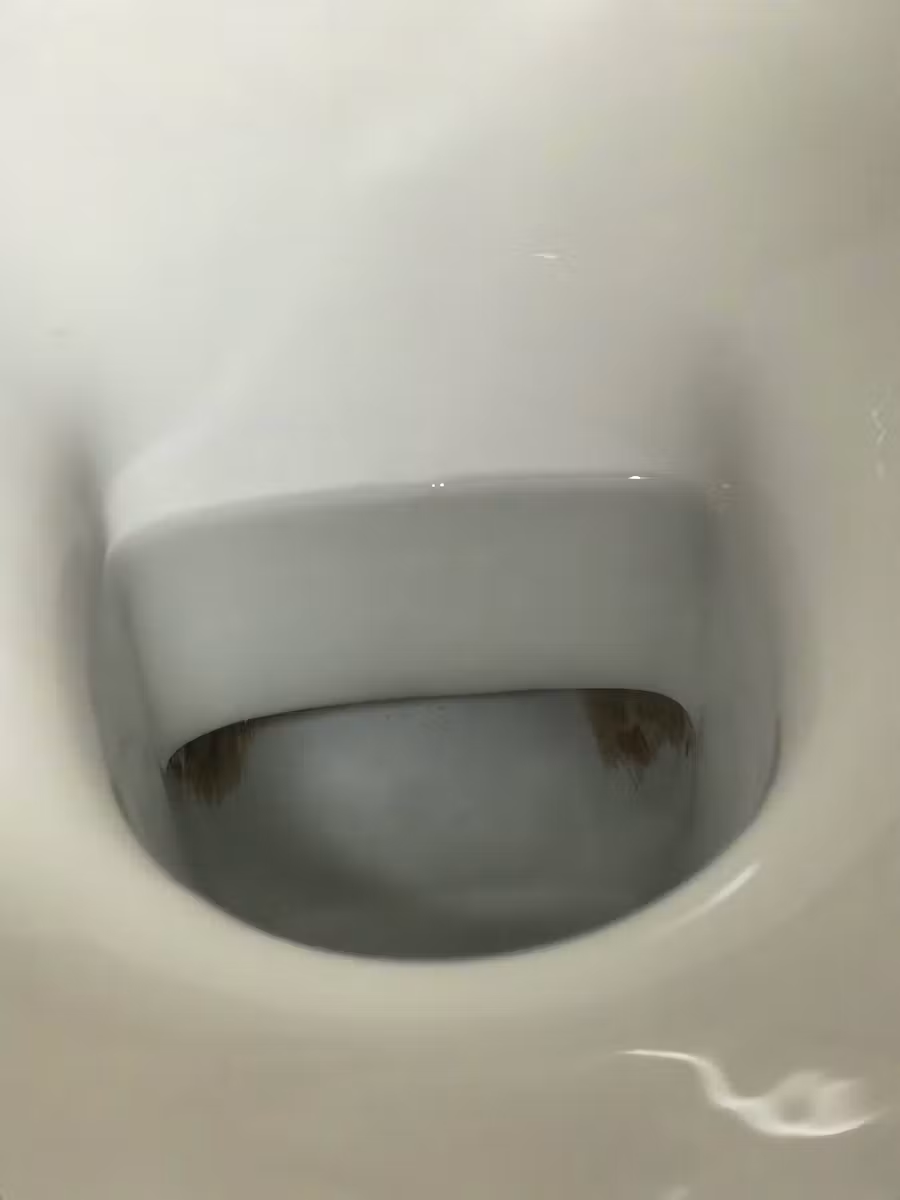
Brownish streaks that accumulate at the bottom of the bowl are a common problem in toilets. They mainly appear in areas that are difficult to reach with the brush and can return quickly, even when the toilet is cleaned regularly.
“These brown marks are generally not simple dirt, but a mixture of urinary tartar and limestone, on which a viscous biofilm composed of bacteria develops,” explains biologist Dr Shiwa Soukou in a video published on her Instagram account.
How to get rid of these stains?
Shiwa Soukou relies on two ingredients: acid and elbow grease. She begins by removing the water from the bowl using a cloth to reduce the dilution of the acid. She then applies a 25% acetic acid solution to the bottom of the bowl as well as under the flush rim. Also called “vinegar essence”, acetic acid is available in different concentrations in DIY stores, pharmacies and on the internet.
How long should you leave acetic acid on?
Leave the acetic acid to act for at least an hour, or until the next day if the deposits are very encrusted. Then scrub the bowl carefully using a stiff brush and clean the areas under the rim with a sponge. According to Dr. Soukou, this technique not only revives the whiteness of the surface: it also eliminates limescale deposits as well as biofilm.
Are precautions necessary?
Yes, certain precautions are necessary: 25% acetic acid is highly concentrated. Always wear gloves, ventilate the room well, avoid splashes and follow the instructions on the packaging. Never mix an acidic cleaner with bleach or other chlorinated products: this combination can release a highly toxic gas.
Beware of chlorine fumes
“Never mix acidic cleaners with products containing chlorine, as this combination can release highly toxic chlorine fumes,” warns Dr. Soukou in his video. The Federal Office of Public Health (FOPH) also reminds us: do not mix bleach with acids or with other cleaning products containing acids (e.g. descalers), the combination producing toxic chlorine gases. If inhaled or having difficulty breathing, leave the room immediately and get fresh air. If symptoms appear, contact Tox Info Suisse on 145.
Is there a gentler alternative?
If you prefer to avoid handling acetic acid and also don’t want to flush the water from the bowl, Dr. Soukou recommends a gentler method: dissolve three tablespoons of citric acid directly in the toilet water and leave it on for long enough. Acid attacks mineral deposits deep down, where other cleaners may show their limits. Then brush the bowl carefully, then clean it with dishwashing liquid.
Can you use denture cleaners?
Other homemade solutions are also shared online. On Reddit, for example, an Internet user recommends using denture cleaning tablets. His method consists of pouring hot water at 60°C into the bowl, adding three or four tablets, then leaving the mixture to act overnight before brushing carefully the next day. Although the effectiveness of this tip for cleaning toilets has not been scientifically proven, many users nevertheless claim to have obtained good results.
