
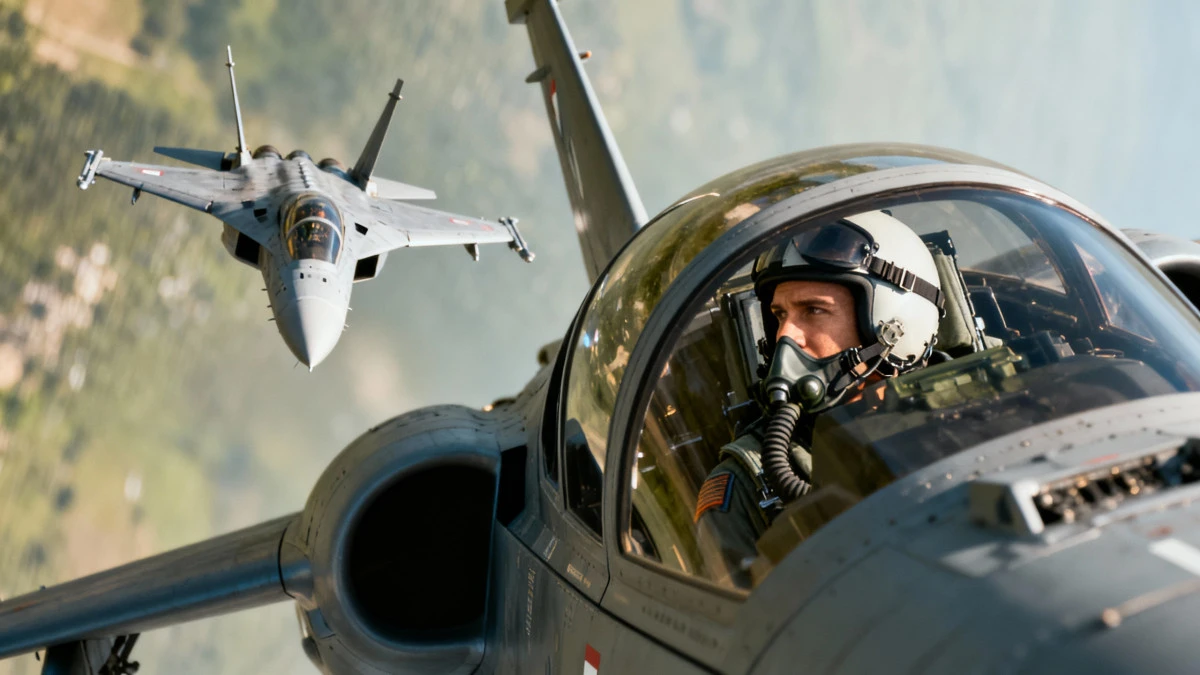
Radio Silence Over France: Every Second on Edge
On October 3rd, as reported by midilibre.fr, a private jet flying over Clermont-Ferrand suddenly lost contact with air traffic control. Four minutes might not sound long on the ground, but in the control tower, when a cockpit’s radio falls silent, each second feels painfully drawn out. Bordeaux air control flagged the issue. The protocol was crystal clear: a lost connection means a top priority check.
Scramble at Mont-de-Marsan: The French Rafale Takes Off
The French Air and Space Force made the alert public via Facebook, then gave the green light for interception. Within moments, a Rafale fighter jet was airborne from Air Base 118 in Mont-de-Marsan. The clock was ticking, but every move stuck strictly to procedure. Air traffic controllers and military personnel coordinated to steer the fighter toward the private jet—all while ensuring the rest of Europe’s crowded skies remained undisturbed.
As the Rafale closed the distance, methodical routines continued. The military pilot maintained a safe buffer, listening hard for any sign of life on the frequency. One detail could change the whole picture. The stakes? Confirming the situation without introducing risk. Security comes before haste; method beats panic. After all, a Rafale never shows up by chance.
Reconnection—And A Big Sigh of Relief
Finally, between the Ventoux and Luberon flight sectors, contact was restored. The private jet, steady and showing zero signs of hostile intent, was suddenly back on the radar—figuratively and literally. A message zipped through, the frequency was corrected, and that nagging doubt evaporated. Teams on both sides agreed: this was a technical glitch, not a malicious move.
The culprit? The tiniest slip—a frequency setting mistake. The crew on board thought they were broadcasting, but the mic was mute. It happens now and then, especially when pilots are busy minding other flight checks. Controller teams confirmed normal communications had resumed and gradually called off the alert.
Precision Procedures and Lasting Lessons
In incidents like this, strict phrasing in aviation radio exchanges helps keep confusion to a minimum. Controllers verify every detail, without turning molehills into mountains or vice versa. Once the radio channel is back up, standard priorities return: heading, altitude, separation of aircraft. Thanks to fast, seamless protocols, order is restored, and the Rafale resumes its patrol.
This episode is a textbook example of the effectiveness of France’s Permanent Air Security Posture. Under the watch of the CDAOA (Air Defense and Air Operations Command), assets are always on call; controllers know that a fighter can scramble instantly if needed. This structural vigilance keeps civilian airways safe—and limits the fallout from human error when stress or fatigue enters the cockpit.
Smooth cooperation between Bordeaux, the involved air sectors, and the armed forces isn’t improvised—it’s based on clear, established procedures. Every player knows their role, cutting down on delays. Lessons learned from previous incidents help fine-tune instructions. Clear rules don’t just help on a normal day; they matter even more when pilots are overloaded, tired, or have a distracted moment at the controls.
A Transparent Conclusion: Security Above All
The Facebook update from the Air Force underlines the value of open communication—letting the public know why a fighter jet is suddenly making a low pass or why a sonic boom might shatter their afternoon calm. The facts are spelled out, without revealing anything sensitive. This helps reassure the population and reinforce the golden rule: safety comes first. If you spot a Rafale overhead, take heart—it’s usually there to make sure nothing bad happens.
When the dust settled on this incident, it served above all to validate just how robust France’s system is. Sometimes, all it takes is a frequency slip to sew confusion—but the response is always swift. Controllers, flight crews, and military teams operate within a shared, clear, effective framework. Whenever doubt arises, a Rafale is ready to intervene, restoring security in the blink of an eye for everyone in the skies.
