
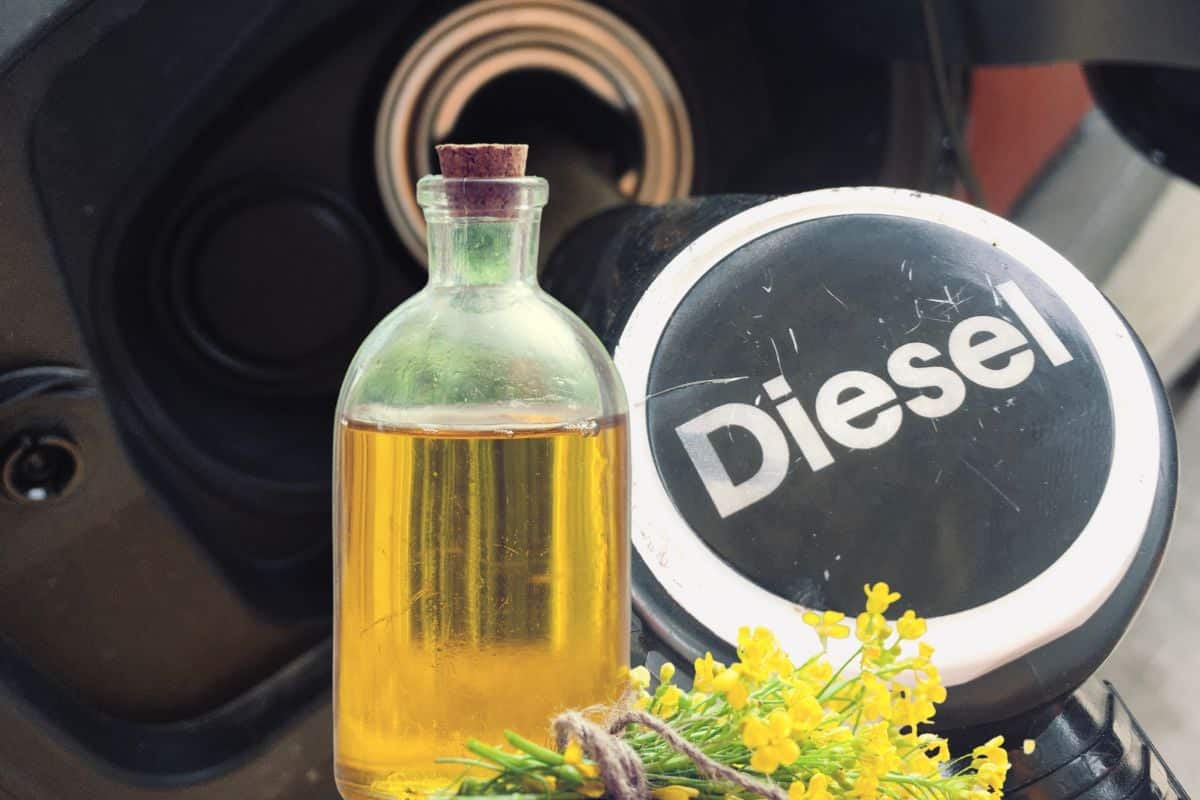
A chilly morning in Moscow brought an unexpected jolt to the auto world, as a RUDN University team unveiled a diesel redesign that runs cleanly on rapeseed oil. The prototype promises familiar compression-ignition reliability while trimming emissions and tapping renewable feedstocks. The claim is bold, yet the underlying changes are refreshingly practical, measurable, and close to field use.
Skeptics see a recycled idea; engineers see a targeted set of fixes to long-standing biofuel drawbacks. If gains hold outside the lab, the result could slow EV momentum in hard-to-electrify sectors.
A cleaner combustion path
Rapeseed oil carries higher viscosity and lower volatility than fossil diesel, complicating spray atomization in a high-pressure cylinder. Historically, those traits increased fuel consumption and soot when poured into unmodified engines.
The RUDN group attacked the physics of mixture formation rather than masking symptoms with exotic hardware. By refining injection timing and nozzle geometry, they pushed plant oil closer to petroleum performance.
The technical pivot
Advancing the start of injection gave denser fuel more time for premixing and controlled ignition. Shaped orifices moderated spray breakup and yielded finer droplet distribution, limiting wall impingement and quenching.
Rail pressure and pump calibration were tweaked to handle thicker flows without overloading components. Carefully tuned bio-blends balanced cold-flow behavior and cetane-driven ignitability, keeping combustion stable across the load range.
Early dyno runs reportedly trimmed specific fuel consumption while holding regulated emissions in check. Crucially, the changes leverage existing diesel architecture, avoiding a costly fleet-wide overhaul.
The vegetable-oil reality check
Untreated vegetable oils resist ideal atomization, producing larger droplets that burn slower and generate soot. Higher viscosity can stress pumps and foul injectors, especially at low temperatures.
Cold starts remain a sensitive boundary, where longer ignition delay and harsher combustion noise are common. The RUDN work narrows these gaps but cannot rewrite thermodynamic limits overnight.
Environmental ledger
Cleaner in-cylinder combustion can cut carbon monoxide and particulate formation; NOx depends on heat-release phasing and aftertreatment synergy. Lifecycle carbon hinges on farming practices, fertilizer intensity, and land-use change.
When sourced responsibly, rapeseed biofuel can deliver meaningful net reductions while using established supply chains. It also exploits diesel’s vast refueling infrastructure, sidestepping grid bottlenecks and seasonal power shortfalls.
Where it helps—and where it won’t
Battery EVs own urban air quality and low-maintenance simplicity, especially where clean grids and fast-charging networks are mature. But heavy-duty, long-haul, and remote operations still prize energy density and refueling speed.
A drop-in renewable for current engines could delay full electrification in targeted segments. Rather than a winner-take-all battle, the most resilient path is a portfolio approach.
“Engineering’s job is not to worship one solution,” a lead RUDN researcher reportedly said. “It is to reduce real-world emissions with the fastest, most affordable tools available today.”
What must happen next
Field validation will decide whether lab gains stick under messy duty cycles. Policymakers and suppliers will watch several signals:
- Durable injector and pump health with higher-viscosity fuel over long intervals.
- Stable cold-start behavior in subzero climates with repeatable ignition.
- Verified reductions in soot and managed NOx under transient load events.
- Sustainability certifications that prevent food–fuel conflicts and land-use leakage.
- Retrofit packages with calibrated injectors, upgraded pumps, and approved blends.
Measured progress across these fronts would indicate a credible bridge technology, not a marketing mirage. Fleet operators prize predictable costs and minimal downtime, making ease of retrofit decisive.
Market and policy implications
If governments reward verified lifecycle savings while penalizing high-carbon diesel, fleets gain a pragmatic lever to cut emissions quickly. In regions with fragile grids, liquid renewables offer immediate energy security and operational resilience.
Automakers could hedge with parallel roadmaps: advanced combustion on renewable liquids for hard-duty roles, and aggressive electrification where infrastructure already fits. That duality reduces transition risk and accelerates real-world impact.
The outlook
No single breakthrough will erase EV advantages, especially in compact, city-centric mobility. Yet this diesel rethink challenges the notion that combustion is inherently dirty and technologically stagnant.
If the RUDN results scale, diesel’s endgame looks more nuanced, with renewable liquids carving a durable niche. The future likely blends smarter combustion, cleaner grids, and right-sized storage—each winning where it works best.
