
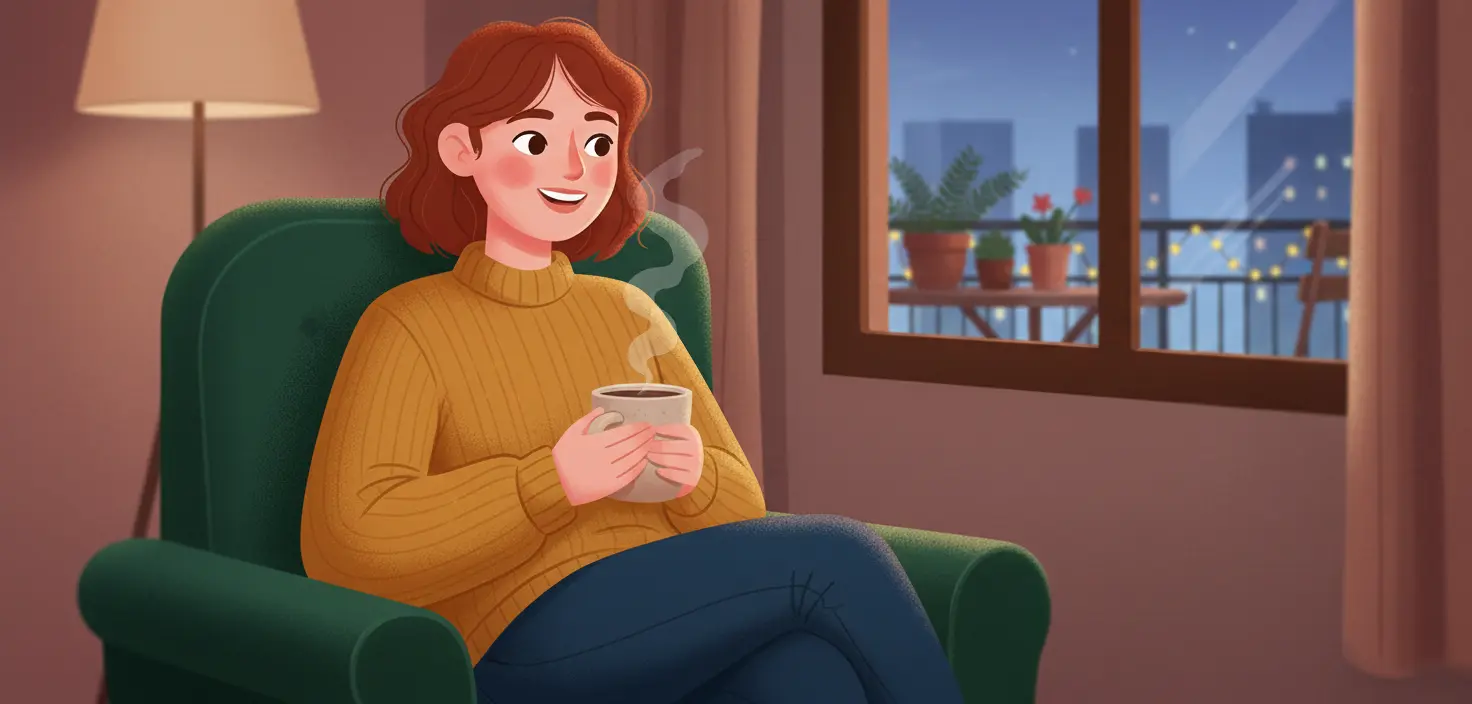
A Conscious Shift: Liberation, Not Loneliness
In many countries—including across Europe—recent years have seen a striking trend: more and more women openly say they don’t want to live with a partner. And, notably, it’s not because of disappointment or romantic disillusionment, but as an empowered choice. Behind the now-iconic statement,
“I can’t imagine, not even for a second, living with someone again,”
lies a new social reality. Solitude has ceased to be equated with emptiness and is now valued as a claim to personal liberty. Recent sociological studies show that the number of women who live alone while describing themselves as “fully satisfied” grows every year, especially in big cities like Paris, London, or New York.
Evolving Expectations: Redefining Priorities
This change is partly due to shifting expectations. Many women now say they’re no longer willing to sacrifice their independence, the everyday pace they’ve built, or their personal projects. The old goals—marriage, cohabitation, endless compromises—are no longer seen as automatic milestones. Some even say that living alone allows them to focus on the activities that truly nurture their identities. This mirrors social currents highlighted in recent think pieces advocating lifestyles that are chosen, rather than endured—much like coverage in lifestyle sections of The New York Times or The Guardian in the UK.
Cultural Reflection: From Stress to Selfhood
The movement isn’t just about life choices; it’s affirmed in culture, too, from media and podcasts to modern literature. Psychologists and essayists see this shift as a response to decades of accumulated mental load. Regained freedom, then, becomes a source of intimate healing and restoration. Publications like The Guardian and Spain’s El País underline that this isn’t just a marginal trend—it’s gaining ground worldwide. More than ever, solitude is a space where you can breathe and, as one essayist put it, “exist without having to justify yourself.”
Rewriting the Rules of Connection
Opting to live alone doesn’t mean giving up on love or meaningful connection. On the contrary, many women voice that they’re enjoying healthier, more authentic, and less all-consuming relationships. Some even mention a positive paradox: feeling more connected after leaving traditional couples behind. That’s because friendships, social activities, and personal ambitions take up more space and time. The choice to step back from the standard romantic narrative is reminiscent of a broader search for meaning and simplicity—a counter to the relentless acceleration of modern life, much like those stories about rediscovering the charm of small towns instead of racing through city life.
Please, let’s retire the question, “Why live alone?” and instead ask, “Why should being in a couple be compulsory?” This shift in perspective marks a historic turning point for how we view women’s lives. Women previously labeled “difficult,” “demanding,” or “too independent” now emerge as pioneers of a new social movement: the movement of choice. And this phenomenon is sparking conversations far beyond French borders, touching on the right to live for oneself before living for anyone else.
In a world where pressure is still heavy on women, solitude is reclaimed as a space for freedom, healing, and renewal. It’s anything but a defeat; it’s an intimate victory. Maybe it’s time to stop asking when these women will meet someone—and simply ask if they’re happy?
Passionate about the links between creativity, innovation, and contemporary culture, she explores how fashion, technology, and travel are reinventing the way we live and express ourselves today.
