
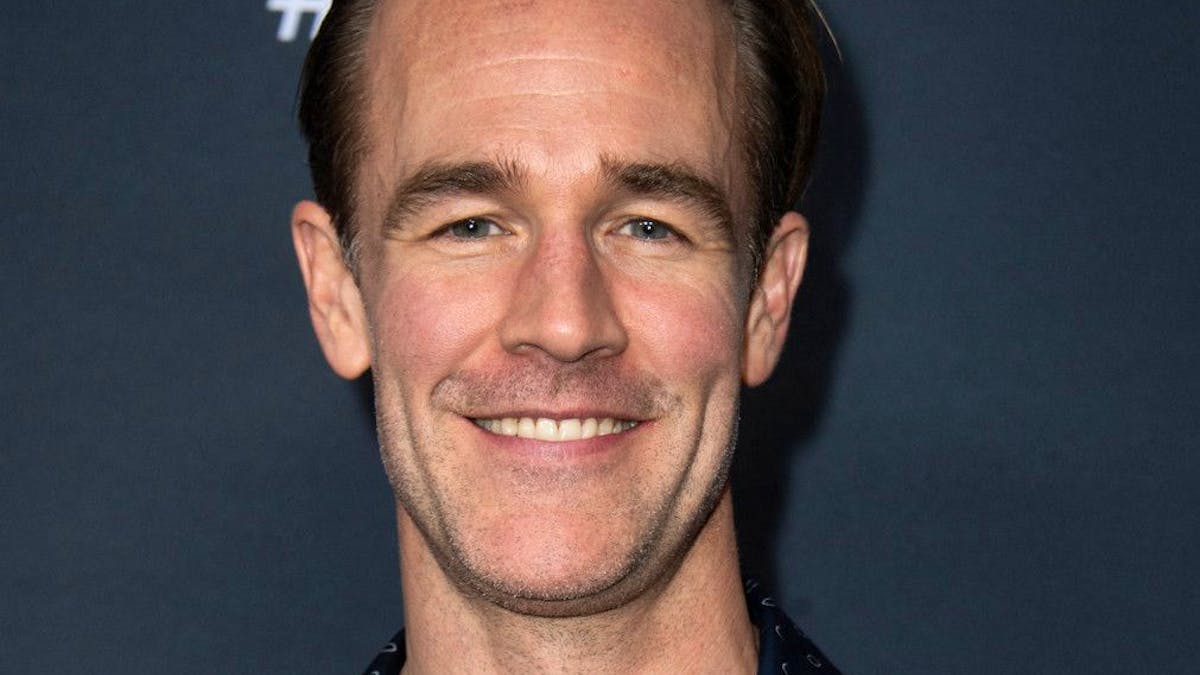
The death of American actor James Van Der Beek highlights the sharp increase in cases of colorectal cancer observed in those under 50 in recent years. Still unknown, its causes are the subject of much research.
The star of the landmark series of the late 1990s and early 2000s “Dawson” died on February 11 at the age of 48 from colorectal cancer, which affects the colon and rectum.
In 2020, his compatriot Chadwick Boseman, made famous by “Black Panther”, died of the same disease at the age of 43.
People born in the 1990s have a four times higher risk of developing colorectal cancer than those born in the 1960s, said a study published last year in the Journal of the National Cancer Institute, with data from Australia, Canada, the United States and the United Kingdom.
It is now the leading cause of cancer death among people under 50 in the United States, according to a study published last month in the journal JAMA. “It’s really scary,” said Helen Coleman, professor of oncology at Queen’s University in Belfast, but “we were starting from a very low level.”
The vast majority of cases, however, concern the elderly: only 6% of colorectal cancers are diagnosed in those under 50, according to his research, carried out in Northern Ireland.
Additionally, rates are stabilizing, or even decreasing, among older people in some areas thanks to improved screening, she added.
But, less inclined to think that they could be suffering from this cancer, young people are unfortunately often diagnosed too late, as was the case for James Van Der Beek.
What is this increase due to?
Like other cancers affecting young people, colorectal cancer has been associated with being overweight and poor lifestyle: poor diet, lack of physical exercise, alcohol consumption, smoking.
But these factors alone do not explain “the considerable increase observed in a relatively short period of time,” believes Ms. Coleman.
Especially since many young patients with colorectal cancer had a healthy lifestyle, like James Van Der Beek, diagnosed in 2023.
“I went to the sauna, did cold baths, etc. – and I had stage 3 cancer, without knowing it,” confided this father of six in December.
What could explain this relatively sudden increase?
“We don’t know,” Jenny Seligmann, a researcher specializing in colorectal cancer at the University of Leeds, in the United Kingdom, told AFP.
This mystery has led researchers to explore other avenues, notably that of the microbiota, this vast ecosystem of microbes, still poorly understood, which populates our intestine.
Screen before age 50
A study published last year in the journal Nature highlighted a “very important first clue,” noted Ms. Coleman.
This study found that mutations in the DNA of a genotoxin – a weapon used by bacteria to protect themselves from other microbes – called colibactin, produced by the bacterium Escherichia coli, were much more common in young people with colorectal cancer than in older patients. But this discovery must be supported by additional research.
Other research suggests that repeated antibiotic use may be associated with early colorectal cancer.
Ms. Seligmann also indicated that she observed numerous subtypes of colorectal cancer, suggesting that the causes would be diverse. “It will be very difficult to identify just one,” she judges.
Before his death, James Van Der Beek, who was emaciated, urged people with the slightest symptoms to get tested. “I want to shout it from the rooftops: if you are 45 or over, consult your doctor!”
Diarrhea, constipation, but also the presence of blood in the stools, unexplained weight loss and fatigue should alert you.
Faced with this increase in the number of cases among young people, the United States lowered the age for starting screening in 2021, from 50 to 45 years old.
There are calls for other countries to follow this example: the United Kingdom and France offer screening from the age of 50.
